Torino: an elegant and forward-looking hub for European urban climate action
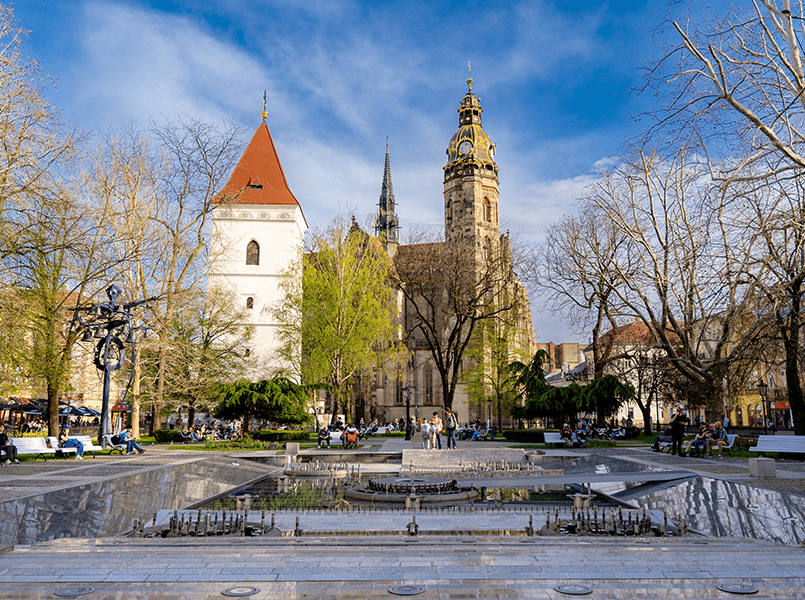
For three days in May, Torino stood at the heart of Europe’s climate conversation. More than 100 cities and hundreds of participants representing academia, government, finance, and civil society gathered in the northern Italian city to confront some of the most pressing sustainability challenges facing urban areas today.
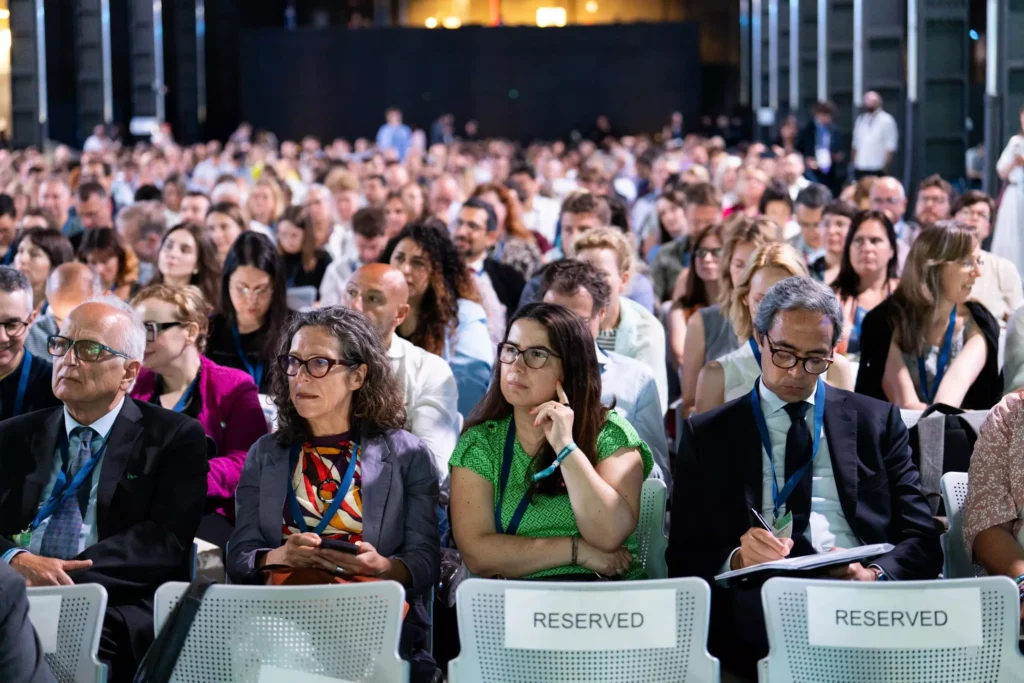
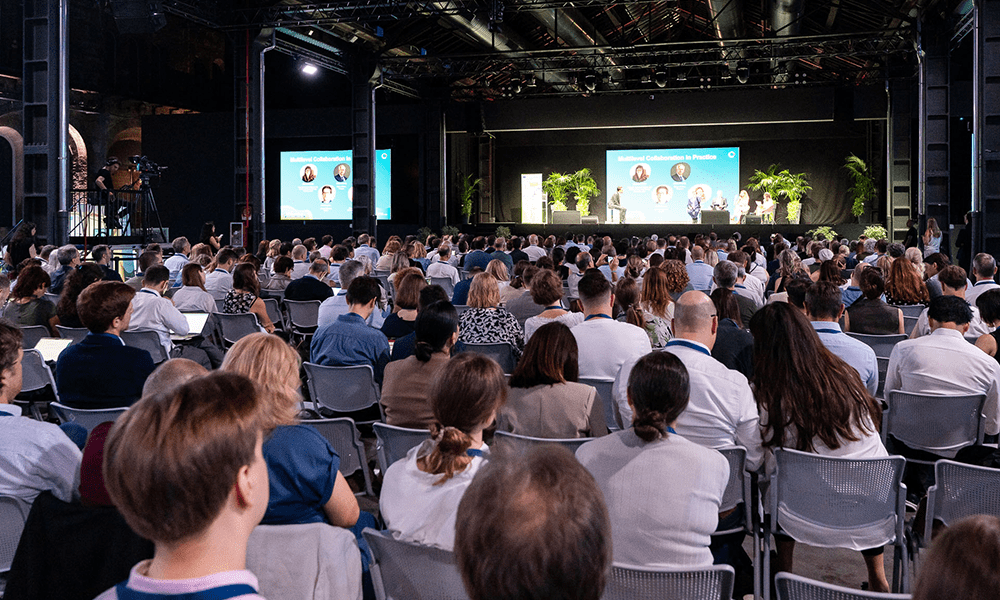
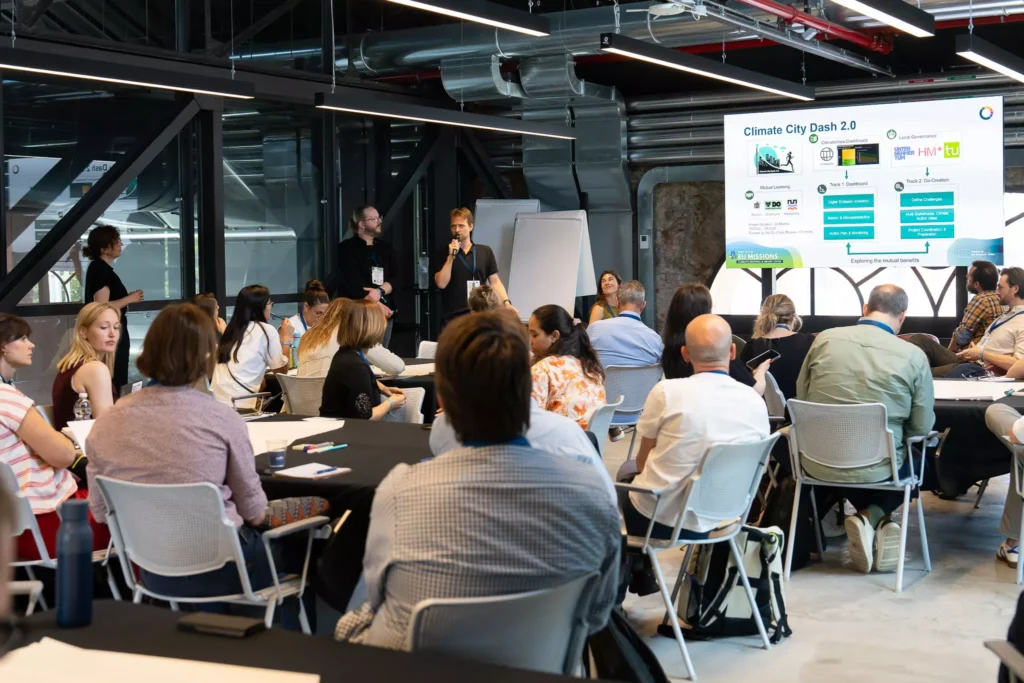
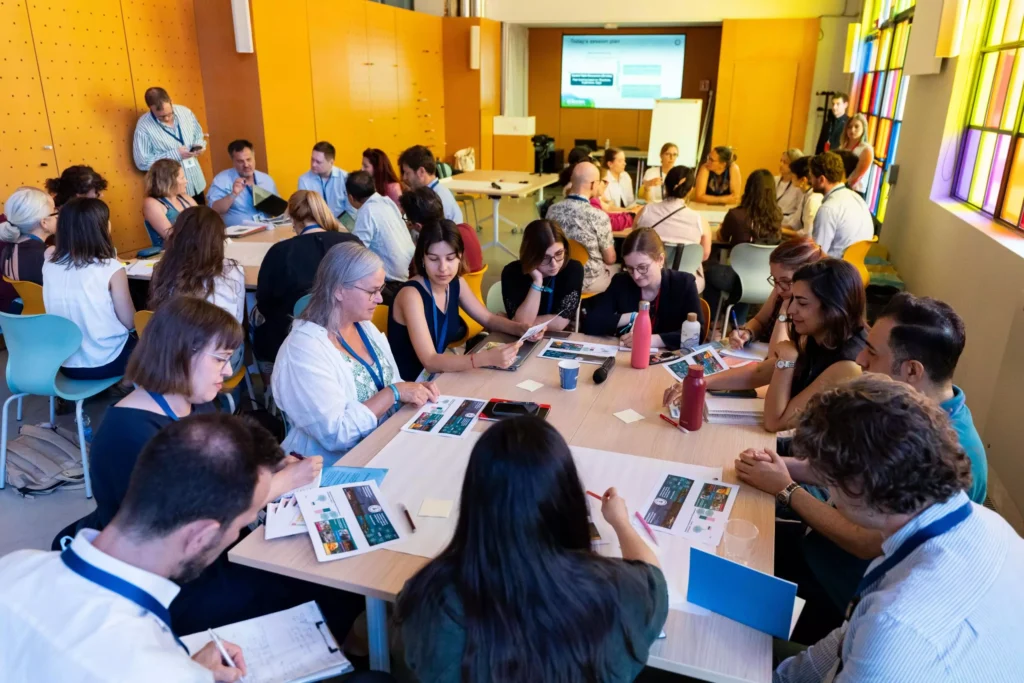
The scale of engagement was impossible to ignore. More than 650 delegates attended the conference, including representatives from over 100 cities. Together, they took part in more than 33 hours of workshops led by experts and city practitioners, attended plenary sessions featuring senior figures from European and national institutions, and explored 14 immersive city dives highlighting Torino’s pioneering work in energy, urban renewal, ecological restoration, and other climate-focused initiatives.
While celebrating achievements is a familiar feature of international gatherings, Torino set its sights beyond recognition and applause. The event became a showcase of how cities across Europe—and beyond—are joining forces to transform ambition into implementation and climate commitments into measurable progress.
Diving into Torino – DAY ONE
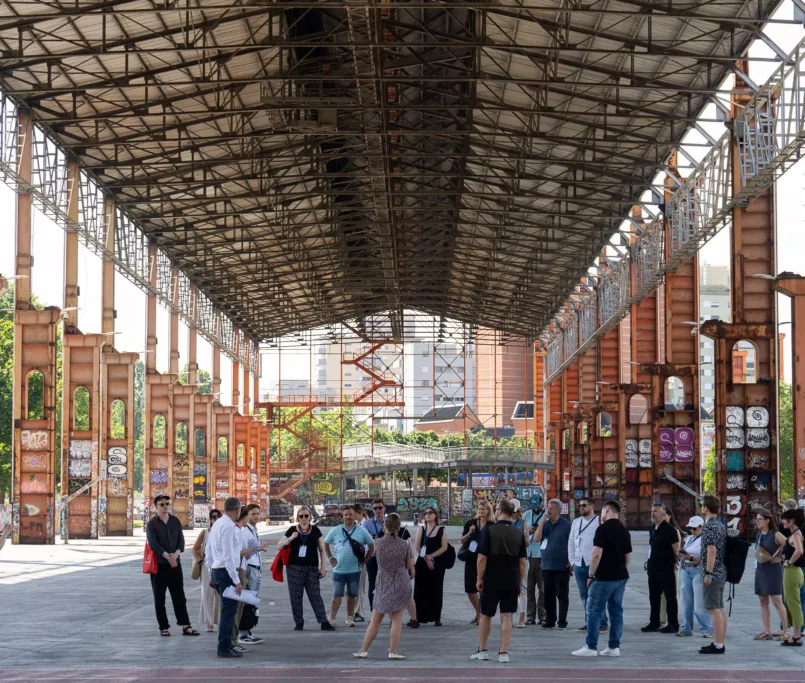
Breaking away from the traditional conference format, the opening day invited participants beyond the walls of the venue and into the living laboratory of Torino itself. Instead of beginning with presentations and panel discussions, attendees experienced the city’s climate initiatives firsthand.
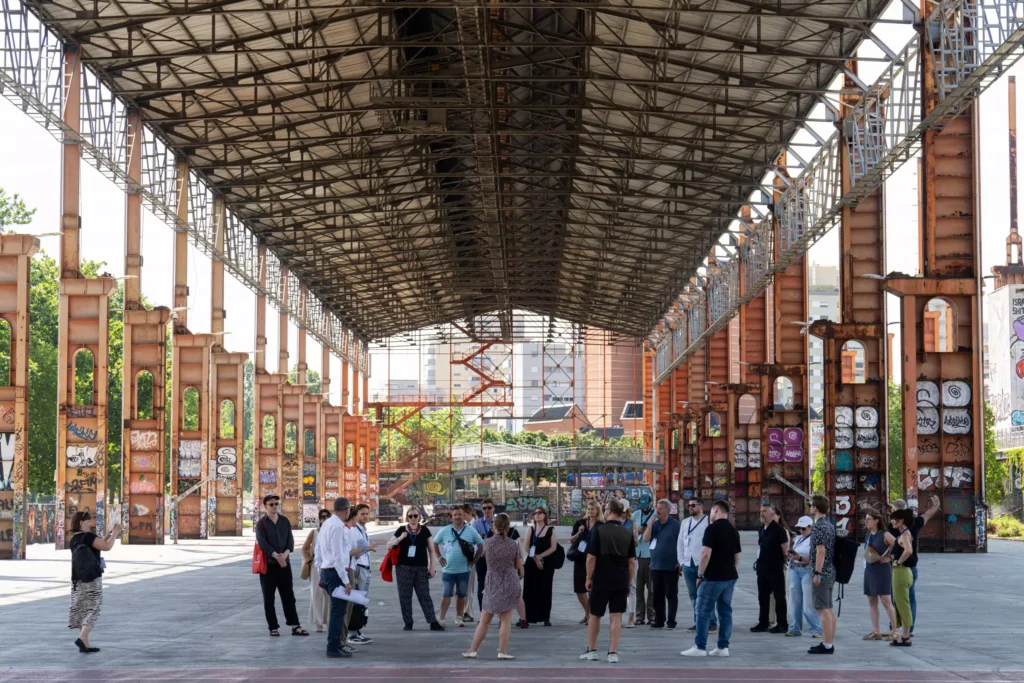
Fourteen guided city dives spanning more than 20 locations revealed the depth of Torino’s transformation. Participants visited the former Olympic Village, reborn as social and student housing; the Arbarello HV-MV Primary Substation, which supplies electricity to more than 60,000 homes; and Parco Dora, a vast 450,000-square-metre green space that now flourishes where Fiat and Michelin industrial facilities once dominated the landscape.
A collection of striking photographs captured both Torino’s accomplishments and its ongoing efforts, offering participants a source of inspiration and practical ideas to carry into the days ahead.
All aboard at OGR Torino – DAY TWO
Once dedicated to the construction and maintenance of trains, the 35,000-square-metre OGR Torino complex has reinvented itself as one of the city’s leading centres for culture and innovation. It provided an especially fitting backdrop for conference participants seeking ways to reimagine the legacy of their own cities and steer them toward a more sustainable future.
The historic industrial halls also offered welcome shelter from a European heatwave—a powerful reminder of the climate pressures confronting cities across the continent.
Before the programme began, Torino’s Mayor Stefano Lo Russo delivered a message that set the tone for the discussions ahead.
“Today we are speaking about climate neutrality but, in reality, we are speaking about something even bigger. We are speaking about the kind of Europe we want to build,” Lo Russo told attendees.
“Future generations are already watching us. Young people today are asking institutions a very simple question: are you capable of thinking beyond the next election? Beyond the next crisis? Beyond the next headline? These Mission Cities programmes give us the opportunity to answer the question with concrete action.
“This is why today is important. Not only because we discuss projects and targets, but because we are building trust between cities, trust between generations, trust in Europe’s capacity to shape the future.”
‘Cities are ready’ – DAY THREE
Innovative financing emerged as one of the conference’s central themes, and the final day opened with a session that reflected that spirit of innovation not only in content but also in format.
Five finance specialists representing different institutional perspectives took the stage in the main hall to assess project proposals presented by cities. After each pitch, they offered practical feedback on investment readiness and identified areas where proposals could be strengthened.
For cities beginning their journey beyond traditional municipal funding, the discussion provided valuable insights into securing finance for climate initiatives—an increasingly essential step for urban transformation.
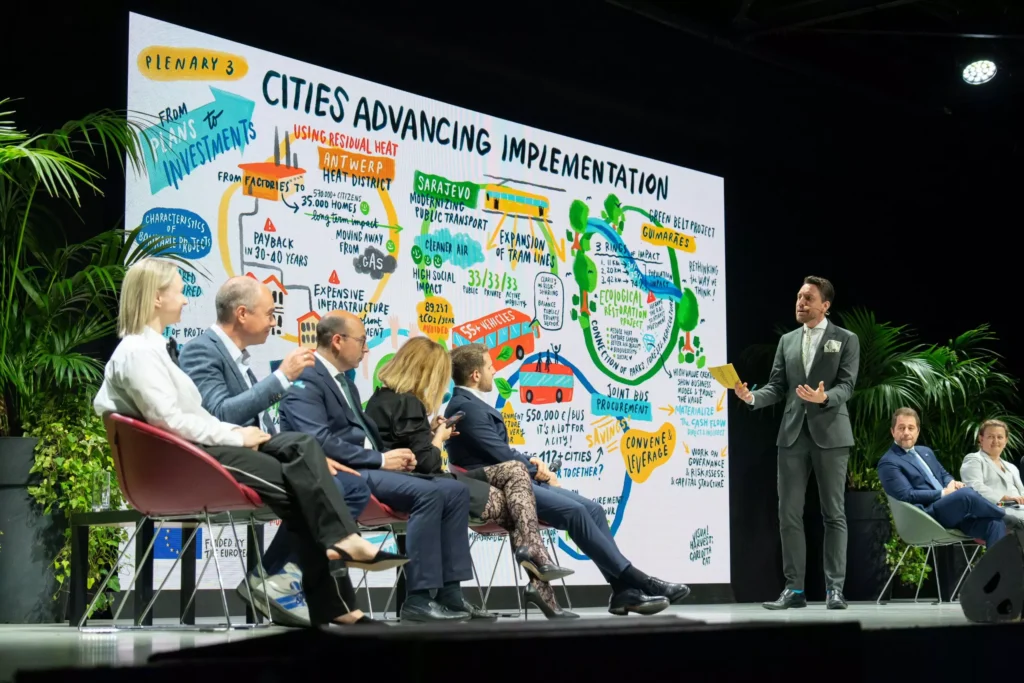
Among the key contributors was Delphine Queniart, head of the Climate City Capital Hub, a NetZeroCities initiative dedicated to helping cities attract investment and develop financially viable climate projects. Her remarks challenged several common assumptions about how funding decisions are made.
“Cities tend to think that capital follows the good ideas, the big transformational project in a city,” Queniart explained.
“In fact, investors would be looking for clear governance, clarity of execution, low execution risk, speed of deployment and, of course, returns.”
When asked whether cities feel intimidated by the challenge of speaking the language of finance, Queniart acknowledged that a degree of “financial connection” is still needed. Yet, she stressed, the process begins with fundamentals: defining responsibilities, establishing governance structures, and ensuring clear implementation pathways.
The conference’s final plenary opened with a recorded message from Rafael Fitto, Executive Vice-President of the European Commission for Cohesion and Reforms. He thanked city leaders for their dedication and collaboration throughout the event while emphasising the crucial role cities play in improving quality of life for citizens.
“Through your Climate City Contracts, you are not just sending strategies and targets, but you are mobilising investments, strengthening partnerships and accelerating projects in energy, mobility, housing, resilience, and social inclusion,” Fitto said.
He also underlined the pivotal role of cities within the EU’s competitiveness agenda, describing them as engines of innovation that generate demand for clean technologies, attract talent and investment, and reinforce Europe’s economic resilience.
Following remarks from Deputy Mission Manager Philippe Froissard—who highlighted that conversations had shifted from planning to implementation—the spotlight turned to Malmö. Deputy Mayor Stefana Hoti took the stage to announce that the Swedish city will host the 2027 Cities Mission Conference.
Passing the torch to the next host city, Torino’s Deputy Mayor Chiara Foglietta congratulated Hoti with a smile:
“We are so tired … But we are here to help you.”
Joined on stage by Bologna’s Deputy Mayor Anna Lisa Boni, Cork Mayor Fergal Dennehy, and Giles Baddot of the European Investment Bank, the panel reflected on the significance of the gathering and the strength of the growing network behind it.
“What I felt is pride,” Anna Lisa Boni told the audience.
“This community is really growing. If you think from when we conceived the idea of the mission to today […] we can be proud of what we’ve achieved.
“There’s nowhere else in the world where this kind of community exists. Tell me, where? I don’t think there is something similar like this, where there is so much power.”
Malmö’s deputy mayor concluded with a message focused firmly on the future. She argued that cities are advancing faster than policy frameworks and that “policy, policy, policy” would become a defining theme of next year’s conference. The goal, she said, is to identify the policy changes needed to support local action and potentially develop concrete proposals for implementation.
Her final message was clear: cities are prepared to move forward.
Anyone who attended the conference would struggle to disagree.