Turin gathers more than 100 European cities, climate leaders, policymakers, and business voices for major climate action summit
More than 100 cities from across the European Union and beyond—including municipalities from Ukraine—have converged in Turin alongside over 600 participants, among them 23 mayors and deputy mayors, sustainability specialists, researchers, and business representatives. Together, they are tackling some of the most urgent climate challenges facing urban areas, backed by strong messages of support from senior European and national leaders that underscore the growing political significance of city-led climate action.
The event has received endorsements from European Commission Executive Vice-President Raffaele Fitto and Commissioner Ekaterina Zaharieva, while senior officials such as the Director General of Spain’s Ministry of Science and Innovation are also taking part. Their involvement highlights a broader reality: climate action in cities is no longer solely an environmental concern but a strategic issue tied to Europe’s competitiveness, resilience, investment capacity, and long-term security.
Representing some of the continent’s most forward-looking urban centres, participating cities are working toward climate neutrality targets for 2030 or 2050. Over the course of three days, they are exchanging practical strategies to attract private-sector funding, accelerate housing renovations, expand clean energy solutions, improve public transport systems, and enhance both air quality and everyday life for residents.
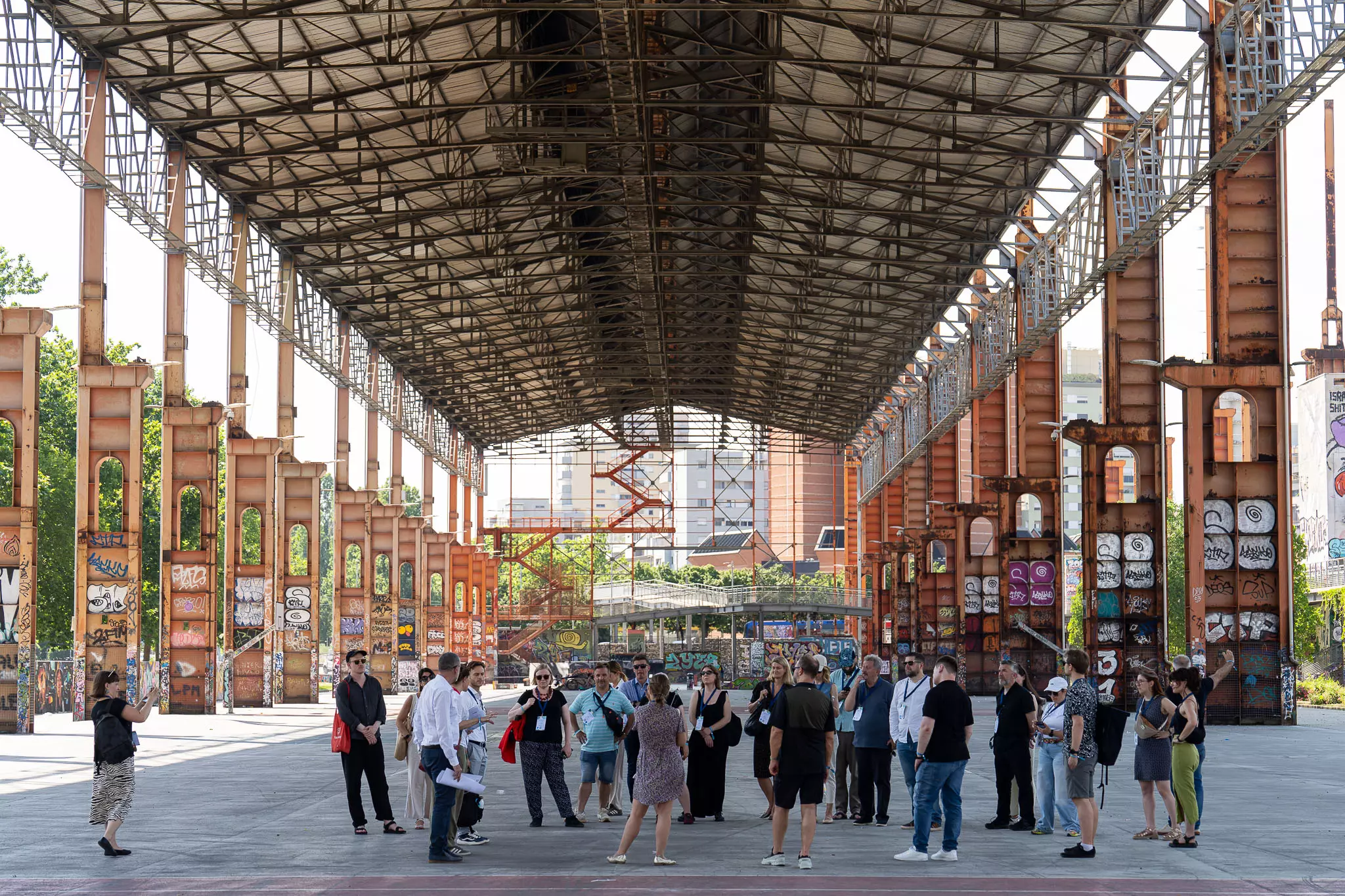
Before the conference’s main sessions and plenary discussions began, attendees stepped beyond the meeting rooms and into Turin itself. On Wednesday, participants joined one of 14 expert-guided “city dives,” exploring flagship climate projects that demonstrate how the city is turning climate commitments into tangible results. The visits showcased both completed achievements and ongoing initiatives in areas such as clean heating, ecosystem restoration, and neighbourhood revitalisation.
Delegates witnessed Turin’s climate transition firsthand, observing how the objectives outlined in the city’s Climate City Contract are being translated into real-world action.
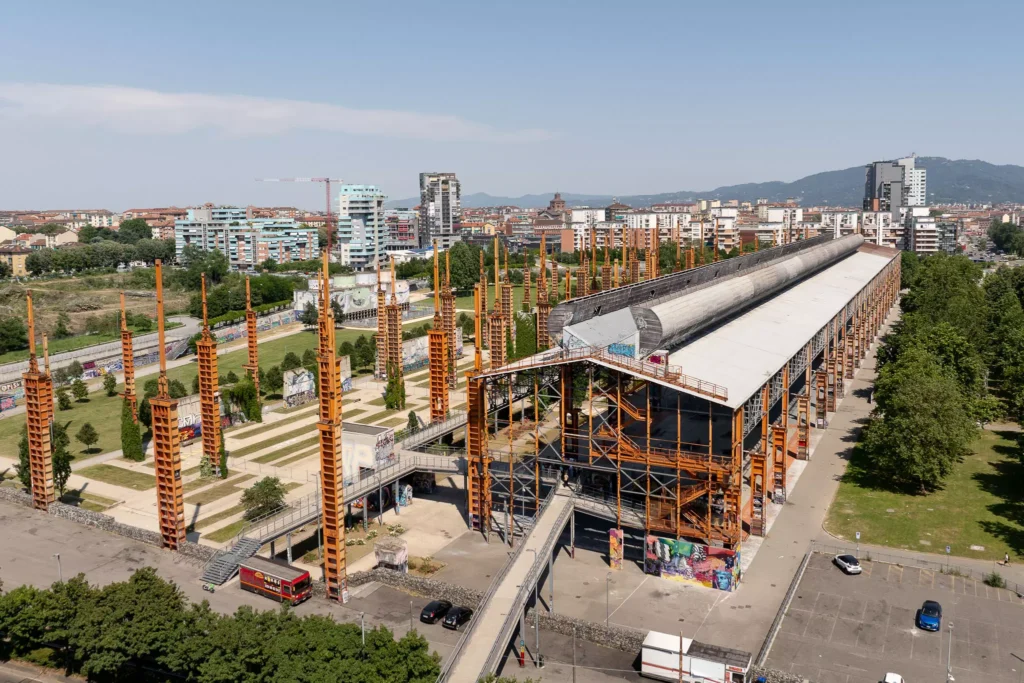
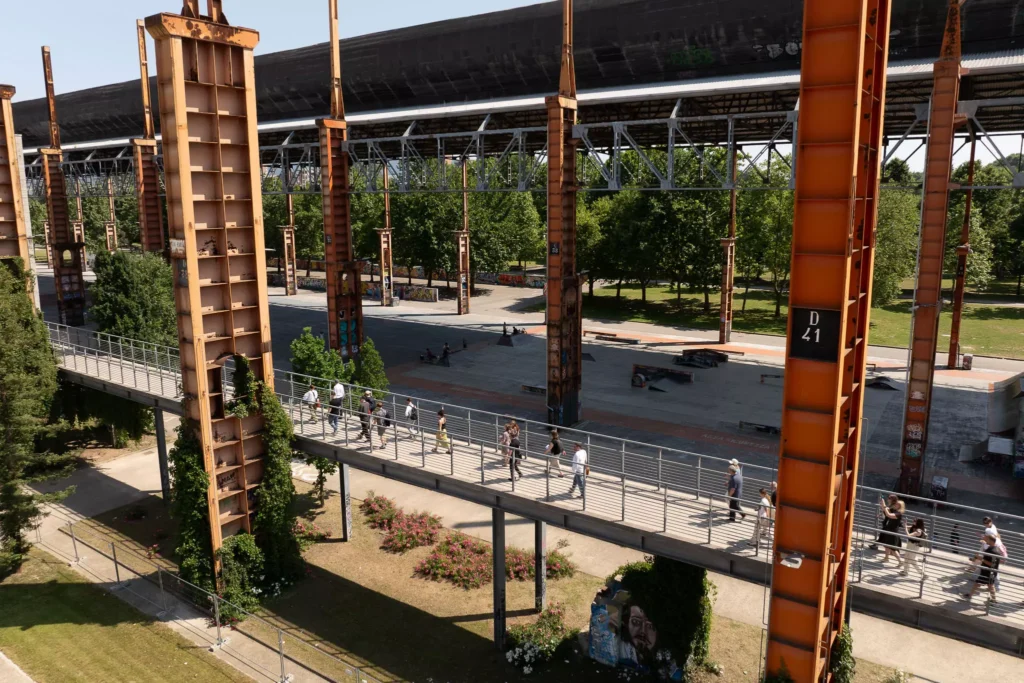
The fourteen immersive site visits included the Heat Garden, a large-scale thermal energy storage facility; Turin’s traffic control centre; the regenerated Olympic Village; the Arbarello HV-MV Primary Substation, which delivers power to more than 60,000 households through underground infrastructure; and Parco Dora, a sprawling post-industrial park covering over 450,000 square metres on land once occupied by Fiat and Michelin production plants until the 1990s. Alongside a dozen additional locations, these projects illustrated how technology, strategic planning, and collaboration are driving decarbonisation in one of Europe’s major urban centres—not as a vision for the future, but as a reality unfolding today.
The conference enters its second day today (Thursday) at OGR Torino, where participants will engage in more than 33 hours of parallel discussions and workshops. The programme is organised around key thematic tracks, including innovative finance, strategic engagement, and urban transformation.
Featured sessions include:
- Financing the Climate Transition: An Innovative Approach by Local Authorities to Unlock Private Investment
- Place Matters: Steering Cities into the European Competitiveness Fund
- Decarbonisation: Linking Urban Innovation to Europe’s Industrial Future
- Scaling Green Procurement Together for Climate Neutrality & Market Transformation
Turin Mayor Stefano Lo Russo emphasised the significance of hosting the gathering:
“The Cities Mission Conference is an opportunity to show that the climate transition is not an abstract aspiration but a series of practical measures already reshaping Torino. Welcoming European cities also means exchanging experiences, tools, and solutions that can help accelerate our shared journey toward climate neutrality.”
Thomas Osdoba, Director of NetZeroCities, highlighted the connection between climate action, economic stability, and security:
“Cities understand that their financial future and security are closely linked to their climate ambitions. That is why they are prepared to act decisively on energy transitions, improve transport systems, and seize opportunities for collaboration that benefit their citizens. This is a pivotal moment for cities, as increasing financial pressures and security concerns make it more difficult to deliver the services residents and national governments expect.
“That is precisely why our Cities Mission Conference in Turin brings together such a diverse group of experts and stakeholders—from political institutions, banking, business, and academia. Solving these challenges requires all of that expertise working together.”
Lesya Tymoshenko, coordinator of SUN4Ukraine, pointed to the importance of international cooperation in supporting Ukraine’s future:
“SUN4Ukraine helps Ukrainian cities develop climate-neutral planning frameworks that support rebuilding efforts and create a stronger, greener future. By connecting Ukrainian municipalities with EU Mission Cities, the initiative demonstrates what genuine European partnership looks like. Built on mutual trust and respect, it is a collaboration between equals that encourages innovation and shows how solidarity can accelerate transformation, even under the most difficult circumstances.”