Košice is conducting a new movement in energy governance, from utility rooms to family homes
Known as a European Capital of Culture, Slovakia’s Košice is a city where history and ambition meet. Determined to reshape the way energy is managed, local authorities embarked on a far-reaching effort to establish dedicated energy teams, modernise municipal buildings, and address energy poverty—a challenge that forces many households to spend a significant portion of their income on heating, electricity, and hot water. Faced with residents making difficult choices between keeping the lights on, putting food on the table, or paying rent, the city joined forces with local partners to pioneer new forms of targeted support, tailored to the realities of everyday life.
“How much electricity does the washing machine use? What about the oven?” asks Petra, a single mother raising two children in Košice. For her, every household decision revolves around balancing energy costs with rent, groceries, and other essentials. “During winter, we all sleep in one room under blankets so I don’t have to heat the entire apartment.”
Petra’s story is one of many contributing to Košice’s growing transformation. Acting as both organiser and coordinator, the municipality is bringing together different voices and priorities to create a new approach to energy governance. Through the NetZeroCities Pilot Cities Programme, Košice is pursuing two interconnected goals: redefining how energy is governed and improving the way the city supports its residents.
“Transforming governance within the municipality means creating a comprehensive energy policy, building a data-driven energy management system, and developing more focused support for residents most affected by energy poverty,” explains Adriana Šebešová from Košice’s Department of Strategic Development.
Lessons from the past shaping the city’s energy future
The roots of the challenge stretch deep into Košice’s history. Like many Central and Eastern European cities, it still depends heavily on district heating infrastructure inherited from the socialist era—networks burdened by aging pipelines, inefficient equipment, and poorly insulated buildings.
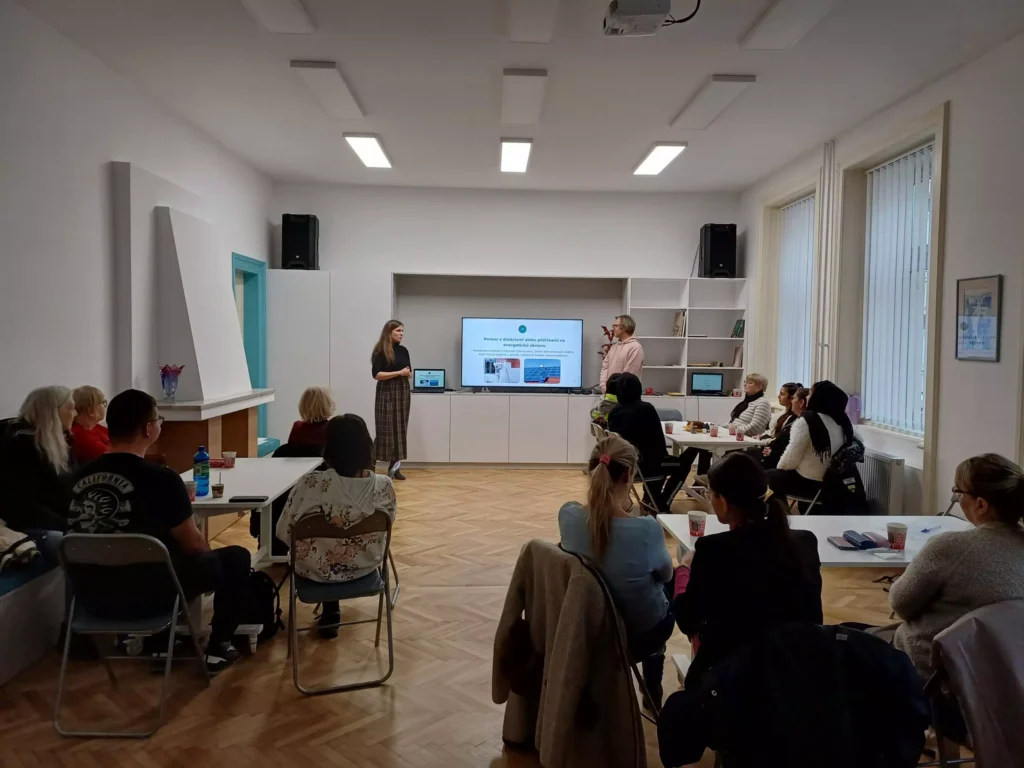
“Buildings are among our greatest challenges. The municipality owns more than 200 of them, including schools, kindergartens, healthcare facilities, and office buildings. Many date back to the 1970s and consume enormous amounts of energy,” says Šebešová.
The issue mirrors a wider European trend. Buildings account for around 40% of the EU’s overall energy consumption and generate more than one-third of greenhouse gas emissions, placing them at the centre of decarbonisation efforts across the continent.
For Košice, the challenge was even more complex. Over the years, responsibility for energy management became scattered among departments and institutions, leaving the city without a unified understanding of consumption levels or clear ownership of energy-related decisions. Reconnecting those fragmented pieces became essential for effective planning and renovation strategies.
“Our pilot project aimed to reduce energy consumption and emissions across municipal buildings,” says Šebešová. “But before we could do that, we needed to create the foundations for coordinated energy governance. That’s why we began by establishing a dedicated Department of Energy alongside an Energy Management Team.”
This groundwork also supports a long-term objective: enabling Slovakia’s flagship geothermal initiative, which is expected to provide heating to 75% of Košice’s district-connected households and eliminate the need for 20 million cubic metres of imported gas annually.
Bringing the city’s energy governance into harmony
With the strategic framework established, attention turned to one of the city’s most valuable yet fragmented resources: data. The Energy Management Team (EMT) united specialists from municipal departments and city-owned enterprises, including public transport services, forestry operations, district heating providers, and teams responsible for cultural institutions and public spaces. Together, they launched an energy management platform designed to create a comprehensive digital inventory of public buildings.
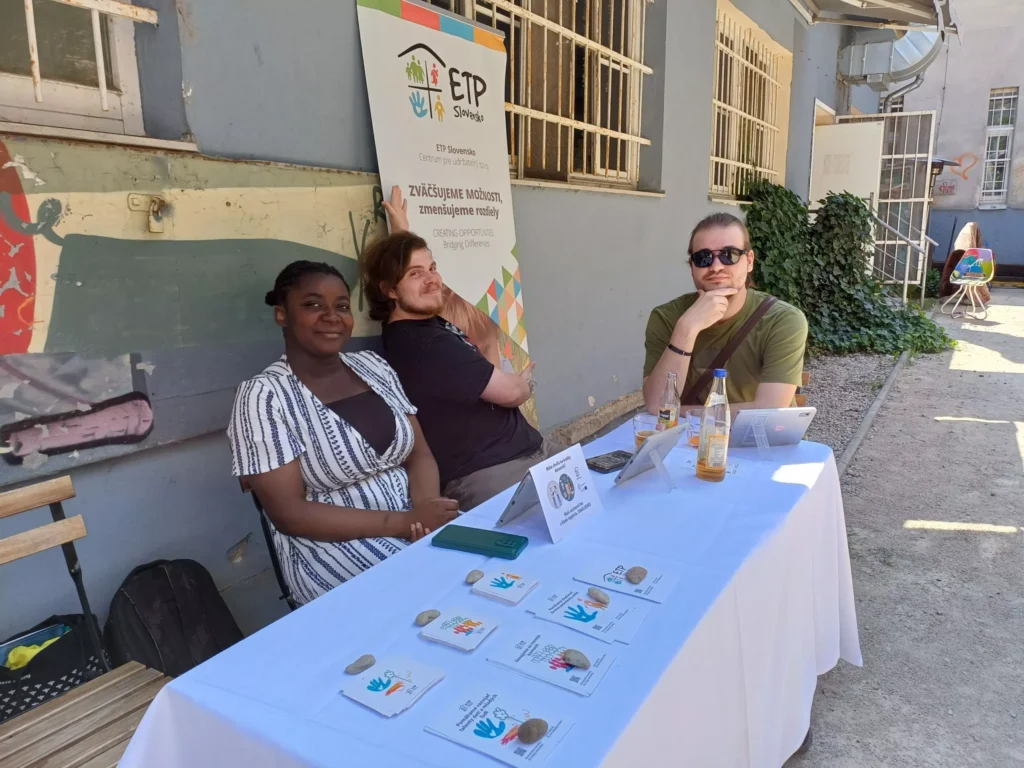
“One of our most significant achievements was creating a single, centralised database for energy consumption,” says Šebešová. “Every municipal organisation responsible for public buildings is connected to the system. We are now monitoring emissions from 170 city-owned buildings, with records already covering the period from 2023 to 2026.”
For city officials, this new infrastructure has become an essential navigation tool.
“Before the Energy Department existed, energy contracts were negotiated individually, often by building managers who lacked specialised expertise,” Šebešová explains. “As a result, the city frequently paid higher prices. Centralising procurement now allows us to secure better conditions and reduce costs.”
The data also helps identify priority investment areas and verify whether efficiency measures deliver results. Equipped with reliable comparisons and performance tracking, the city has already achieved a notable milestone by reducing electricity costs by 20%. To ensure a comprehensive overview, the system also incorporates information on natural gas, heating, and water consumption.
Yet data alone could not complete the picture. While energy flows became easier to track, city leaders recognised that residents facing energy hardship also needed a platform to make their experiences visible. That opportunity emerged through a partnership with the non-governmental organisation ETP Slovakia (ETP).
The human voices behind the city’s energy system
Energy poverty takes many forms, but at its core it describes households that must devote a substantial share of their income to essential energy services such as heating, electricity, and hot water. The lower the income, the greater the risk. Every EU country faces this challenge to some extent. In Slovakia, around 40% of the lowest-income households spend roughly 20–25% of their annual income on energy costs.
Among them is Emília, 65, who shares her apartment with her daughter, who lives with a disability.
“My daughter requires specialised equipment that increases our electricity bill by around 100 euros each month,” she says.
Without targeted support from local or national authorities, Emília returned to part-time work after retirement. Today, she carefully balances rising utility bills, medication expenses, and the responsibilities associated with caregiving.
When the European Union adopted its Energy Efficiency Directive in 2023, it placed people most vulnerable to energy poverty at the centre of policy efforts. Member States are now required to prioritise their needs. Through its collaboration with ETP, Košice has translated that principle into action by mapping the realities faced by affected households.
“The biggest challenge is that existing energy assistance remains very broad and is not specifically designed to address energy poverty,” explains ETP Director Veronika Poklembová. “Our objective was to connect practical solutions with the real needs of vulnerable residents and ensure that our work genuinely reflects conditions on the ground.”
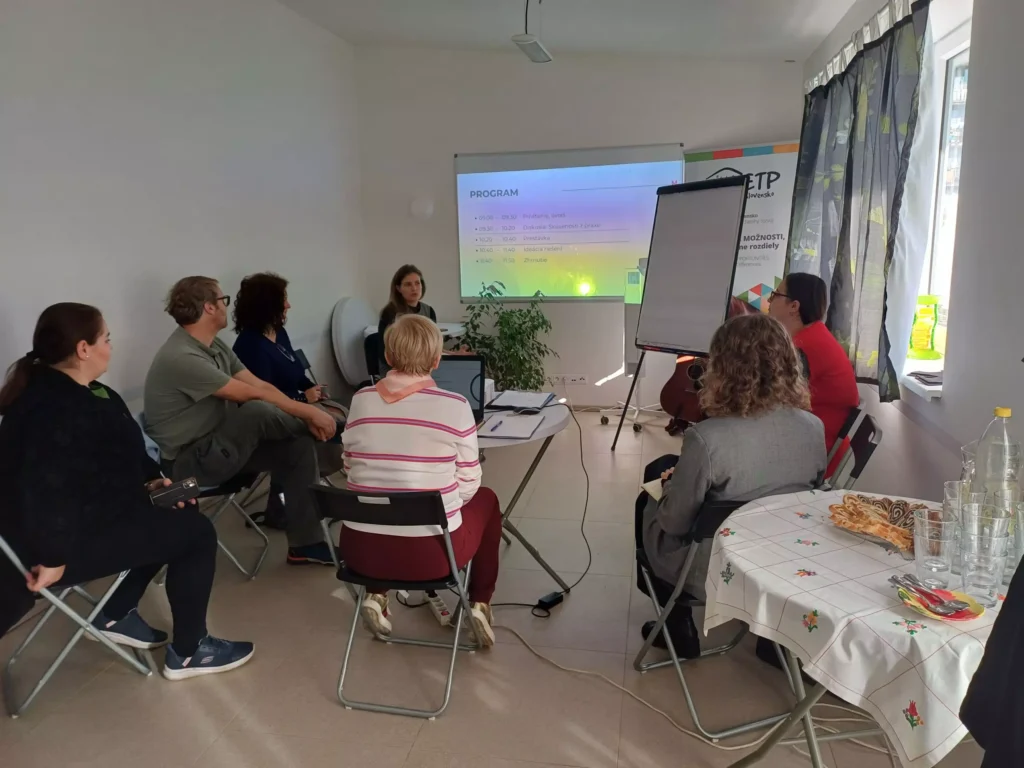
To achieve this, ETP embraced a community-driven approach centred on creating personas—fictional profiles inspired by real experiences of energy poverty. The first initiative of its kind in Slovakia, these personas reveal the diverse challenges faced across Košice and provide a valuable foundation for more precise and effective policymaking.
Building trust came first. ETP collaborated with community centres, social service providers, schools, and senior centres. This approach also helped reach groups facing deeper social exclusion, including Roma communities.
“We used assisted surveys to collect both quantitative and qualitative information and reached 530 households across Košice, representing approximately 2,000 residents,” says Poklembová.
“We also explored people’s backgrounds and daily realities to better understand their specific needs. Some challenges are directly related to energy poverty. Others intersect with it, forcing people into a constant balancing act between paying for energy and meeting other basic needs, such as buying food.”
For each household, that balancing act takes a different shape.
In Luník IX, a settlement with a large Roma population, Martin lives with his wife, their five children, and his brother’s family. More than ten people share a damp, two-room social housing apartment. Without central heating or direct water access, the household depends on a prepaid credit system. To avoid the health risks associated with wood- or gas-burning stoves commonly used nearby, the family relies on an electric heater to keep their children warm. To preserve that warmth, they insulated the apartment themselves using the limited resources available.
Even so, every decision remains a compromise.
“We would rather reduce spending on food than lose access to energy or housing,” Martin says. “But our biggest concern is the health of the children.”
Petra, Emília, and Martin are three of six personas developed through the project. Together, they provide a detailed and nuanced understanding of the different forms energy poverty can take, helping ensure that future support measures respond to real circumstances.
The personas were refined through a series of workshops co-designed by ETP and representatives from groups most vulnerable to energy poverty. Their insights were integrated into the research process and used to shape an initial set of proposed solutions.
“We presented the first solutions back to participants and city representatives to confirm they were appropriate,” says Poklembová. “That created an ongoing dialogue, allowing us to refine the proposals around real community needs. Today, we have a catalogue of more than 20 practical and achievable solutions, along with a strong basis for expanding targeted energy assistance.”
Leading a broader national transformation
Košice’s efforts are part of a wider movement. Slovakia’s capital, Bratislava, is developing its own energy governance model through the Pilot Cities Programme. While also creating an Energy Management Team, Bratislava has focused on engaging the private sector, which is responsible for 36% of citywide emissions. Together, the two cities demonstrate how energy governance can be adapted to tackle different challenges while pursuing the same overarching goals.
“With the creation of the Energy Department and Energy Management Team, the municipality can standardise energy management across all of its organisations,” says Šebešová. “We now have a strong framework for planning, implementing, and monitoring energy-efficiency measures, guiding investment decisions and supporting our climate neutrality ambitions.”
In Košice, what once resembled a collection of disconnected instruments—scattered data, isolated departments, and overlooked voices—is beginning to perform as a coordinated whole. This new harmony lays the groundwork for the city’s ambitious geothermal future, one that could dramatically reduce dependence on imported energy while strengthening resilience for generations to come.