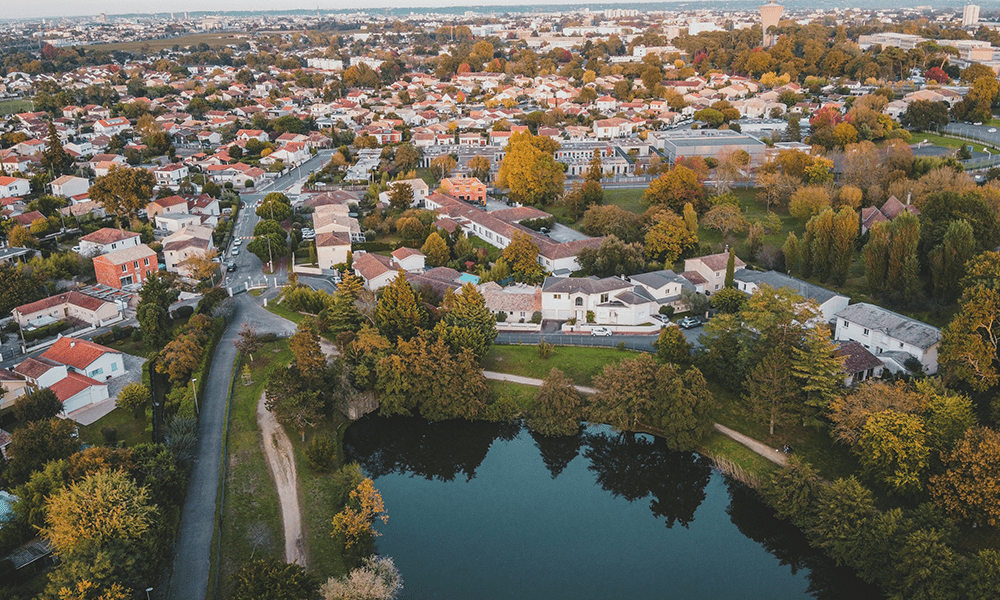
Bordeaux Métropole emerges as a catalyst for cross-sector climate action
Across every corner of the economy, the race is on to stay ahead of escalating climate risks and safeguard both prosperity and environmental stability. In France, Bordeaux Métropole and the University of Bordeaux have chosen to view this challenge not as a constraint, but as an opportunity. By weaving together partnerships between businesses, public institutions, researchers, and civil society, they are laying the groundwork for a system capable of anticipating and absorbing cascading climate threats before they take hold.
“Collective investments in resilience are cheaper than everyone building their own fortresses. Shared standards reduce fragmentations. Complementarities are positive sum.”
With these words delivered at the World Economic Forum, Canadian Prime Minister Mark Carney highlighted how decades spent prioritising efficiency over resilience have created fragile systems and growing vulnerabilities—pressures now amplified by climate change. His call was clear: middle powers must work together to strengthen economic and societal resilience.
Within France’s governance landscape, metropolitan authorities occupy a distinctive position. Acting as local middle powers, they are uniquely placed to bridge national and regional priorities with the practical realities faced by cities, municipalities, and residents.
Responsible for coordinating areas such as transport, housing renovation, energy, land use, waste management, and economic development, metropolitan authorities hold the ability to drive systemic change at a scale capable of accelerating climate resilience.
Inspired by this vision of connection and collaboration, Bordeaux Métropole combined its extensive experience in sustainable transition with the University of Bordeaux’s expertise in linking academic research to practical action. Through the NetZeroCities Pilot Cities Programme, the two partners launched Acting by Collaborating Differently (ABCD), an initiative designed to bring the ambitions outlined in the territory’s Climate Plan (PCAET) and Climate City Contract into reality.
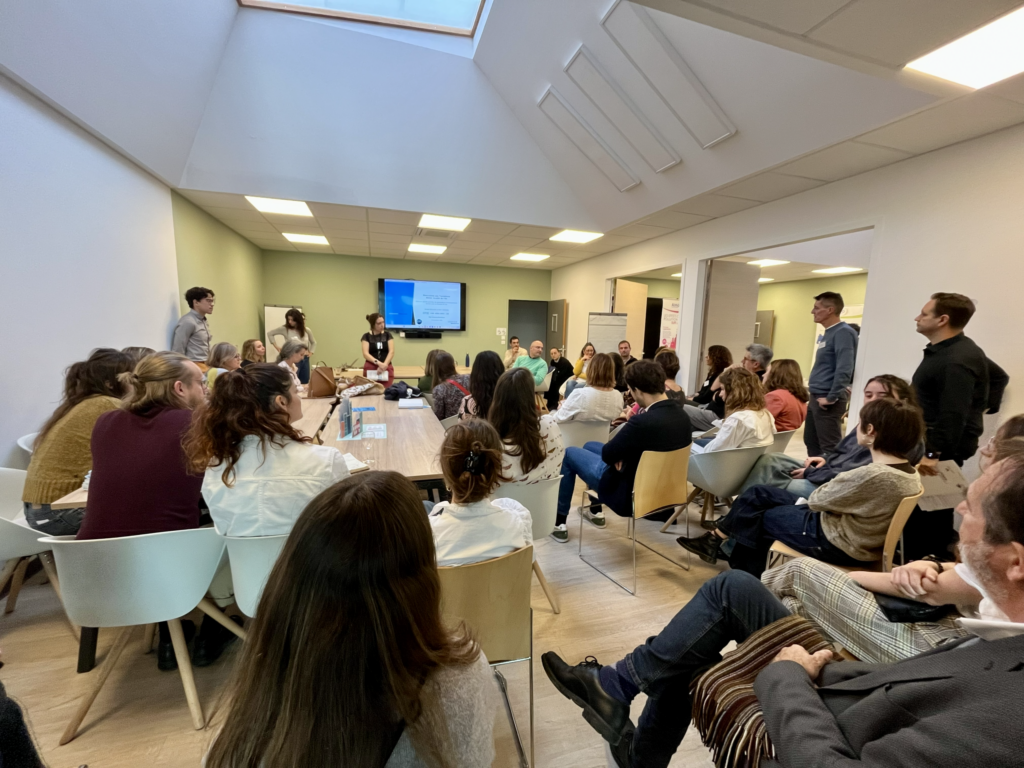
“Our objective is to make climate action a shared responsibility across every sector and create stronger connections between actors throughout the territory,” explains Clémence Belloir, Network Animation and Coordination Officer at Bordeaux Métropole. “It is a model of systemic transformation built around resilience.”
To achieve this, the project draws insights from a broad spectrum of disciplines—including economics, sociology, social psychology, materials science, and others—and embeds them directly into decision-making processes.
“We work closely with local authorities to align our efforts with their strategic roadmaps and ensure our topics have real impact,” says Belloir. “At the same time, we engage businesses so that sustainable economic and environmental transitions become increasingly central to their priorities.”
Bordeaux Métropole encompasses 28 interconnected cities, forming a diverse urban mosaic that is home to more than 820,000 residents. From Pessac and Mérignac, where quiet residential neighbourhoods sit alongside industrial and research centres, to Saint-Médard-en-Jalles and Cenon, where green spaces blend with vibrant urban districts, and finally to Bordeaux itself—the historic “Port of the Moon”—the territory reflects centuries of cultural exchange and commercial influence. Recognised by UNESCO, Bordeaux’s gleaming limestone architecture and more than two millennia of history continue to shape its identity today.
Given its influence over the wellbeing and quality of life of hundreds of thousands of residents, Bordeaux Métropole plays a crucial role in strengthening regional climate resilience. Yet the ambitions of the ABCD project reach even further, shining a light on a less tangible but equally vital resource: shared understanding.
Building a common language for transformation
The Bordeaux Métropole territory is rich in expertise and creativity. Associations tackle challenges ranging from community engagement and waste reduction to air quality, mobility, food systems, and the circular economy. Public authorities pursue these goals through strategic planning, while businesses help translate those ambitions into practical outcomes.
Yet despite a shared desire to achieve common objectives, opportunities for meaningful collaboration often remain limited.
“People from very different sectors and professional backgrounds rarely have the chance to meet, exchange ideas, collaborate, and create projects together,” says Claudia Simon, European Project Coordinator at the University of Bordeaux.
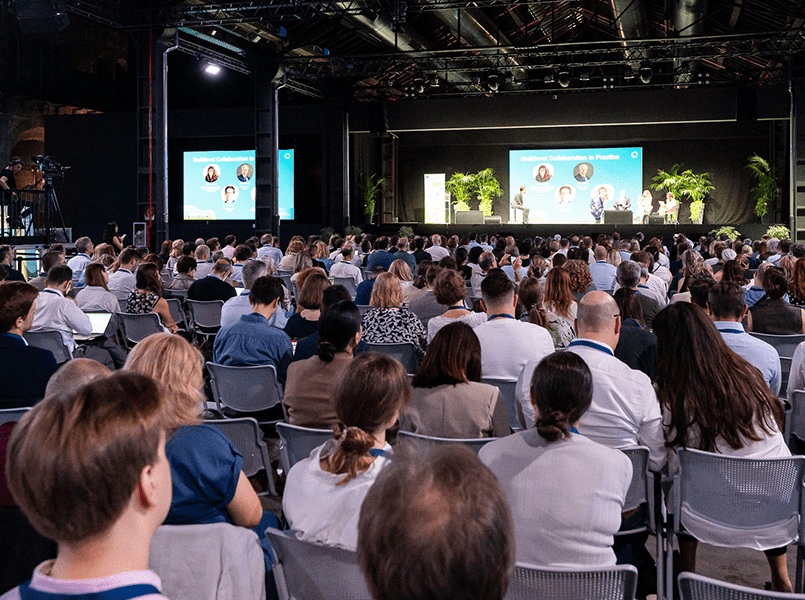
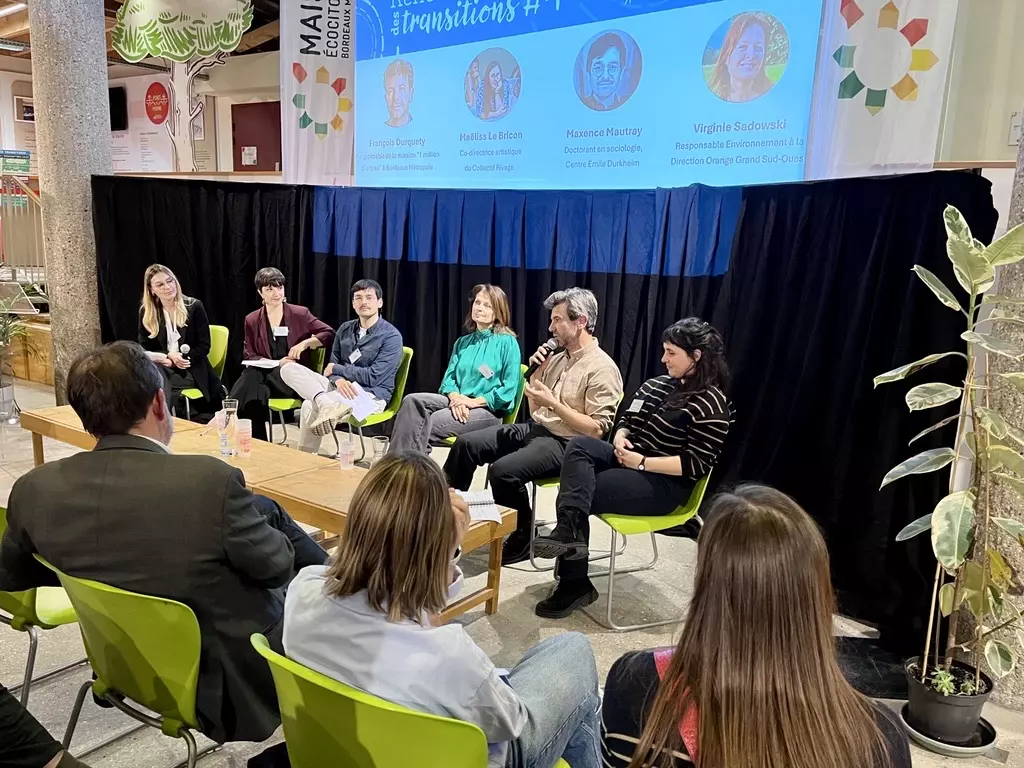
To bridge that gap, Bordeaux Métropole and the University of Bordeaux transformed their annual Transition Forum (Rencontres des Transitions) into a meeting ground for innovation and collaboration. Bringing together participants from across the territory, the event focuses on one central mission: converting ideas into action.
“Through this annual gathering, we create the conditions needed for collaborative project development across sectors, encouraging broad ownership of climate solutions,” says Belloir. “But bringing people together is only the beginning. We also help them understand each other’s methods, constraints, and pace of work. Processes often need adjustment, and concepts sometimes need translation. We are building a common language capable of accelerating the ecological transition.”
In this role, the partnership acts as a bridge between worlds. Through scientific mediation, complex research findings are transformed into accessible insights that help different groups find common ground and discover new ways of working together.
“We provide a methodology for connecting people who are addressing similar challenges from different perspectives,” Simon explains. “By breaking down barriers, we create something genuinely effective.”
From research to real-world action
The Transition Forum serves as a launchpad for local actors—from researchers and public administrations to companies and community organisations—helping them move projects from initial concepts to practical implementation.
“Everything has to be built from the ground up: partnerships between stakeholders who do not usually collaborate, as well as the ideas themselves,” says Belloir. “The event guides participants through the process of using research insights to form hypotheses, test them in practice, learn from the outcomes, improve them, and ultimately scale successful approaches.”
As with any innovation process, not every pilot initiative unfolded as expected. Yet these challenges became opportunities for learning and refinement.
One notable project brought together local authorities, businesses, social psychologists, and sustainability organisations with the goal of reducing single-occupancy car commuting. The initiative aimed to apply behavioural science techniques to encourage employees to adopt greener transport options.
“The first experiment did not produce the results we hoped for,” Simon explains. “Participation levels were too low, and the social psychology methodology required strict timelines and control groups, making it difficult to adapt to the realities of a business environment.”
Rather than seeing this as a setback, the team treated it as valuable feedback. The lessons learned opened new pathways and attracted additional partners.
“Building on what we discovered, we are now supporting the Métropole’s mobility department in engaging companies that have not yet developed mobility plans,” says Belloir. “We are organising a dedicated event where businesses can learn what mobility plans involve, how they can be implemented, and what support the Métropole can provide. This helps us continue pursuing our original objective of reducing solo car use.”
At the same time, a new information resource is being developed to help businesses encourage lower-carbon commuting habits among employees. The insights gained throughout the process are already proving highly valuable.
“The entire experience has allowed us to document and share what worked and what didn’t,” says Simon. “For example, we can now demonstrate how these types of experiments can be adapted more effectively to fit the realities and needs of businesses.”
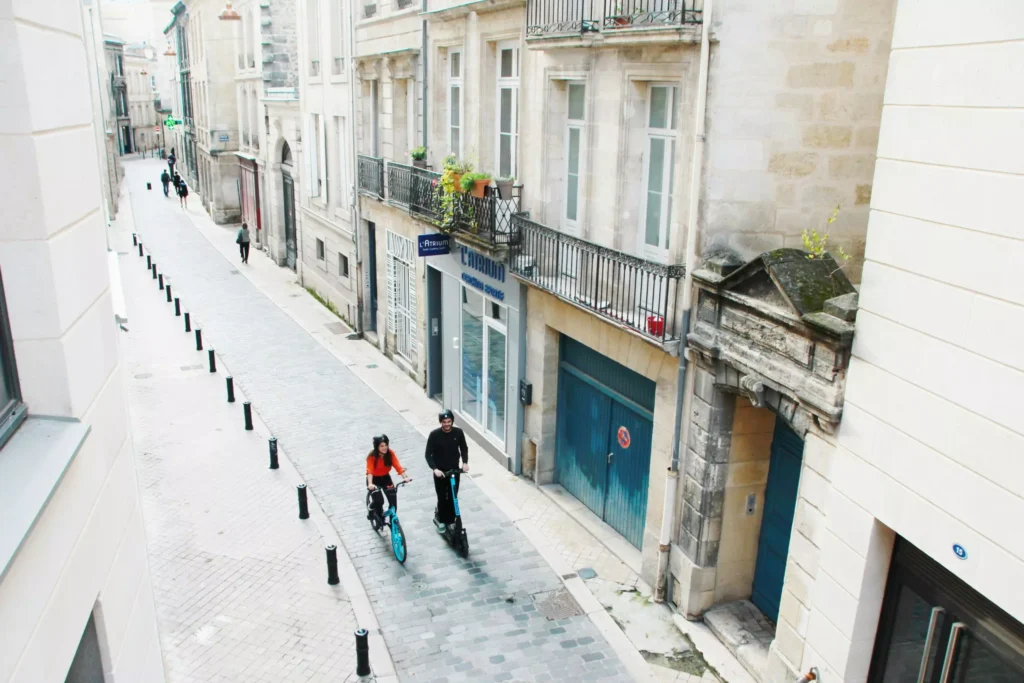
The project also benefits from the Maison Ecocitoyenne, one of Bordeaux’s flagship centres for environmental engagement. Through exhibitions, workshops, conferences, and educational activities, the centre helps spread these lessons to broader audiences, including schools, community groups, and residents eager to contribute to a more sustainable city.
Local middle powers driving the future of resilience
Through continuous experimentation and collaboration, Bordeaux Métropole and the University of Bordeaux are revealing how different sectors can align their efforts, navigate challenges, and complement one another more effectively. In doing so, they help make an often-complex climate landscape easier to understand, embrace, and act upon.
As Bordeaux Métropole increasingly embraces its role as a local middle power and strengthens partnerships across its territory, it has a unique opportunity to cultivate a shared sense of purpose and direction. Those foundations can grow into common standards, stronger complementarities, and deeper resilience—reducing fragmentation and enabling faster, more coordinated progress toward a sustainable future.